Dalla "Parola Inerte" alla "Parola Vivente"
(From the "Inert Word" to the “Living Word”)
Why does learning a foreign language often make us feel "blocked"? The answer lies not only in memory or grammar but in our very bodies. At Ars 2.0, we believe that language learning cannot be separated from creative expression. This is why our teaching method draws deep inspiration from one of the greatest masters of 20th-century theatre: Orazio Costa.
What is the Mimic Instinct?
According to Orazio Costa, every human being possesses a natural mimic instinct. As stated in Maricla Boggio’s essay The Creative Body, the mimic instinct is the ability to "become" the other or the object, interiorizing external reality through gesture even before words. Costa wrote:
"By recovering and refining the mimic instinct, we can release and perfect the organic interactions of natural expressiveness, allowing them to flow into the living word."
From the "Inert Word" to the "Living Word"
In traditional language teaching, we often face "dead" words: lists of vocabulary to memorize that do not feel like they belong to us. Costa’s method teaches us how to transform them into living words. Applying the mimic method to the study of Italian (or any other language) means:
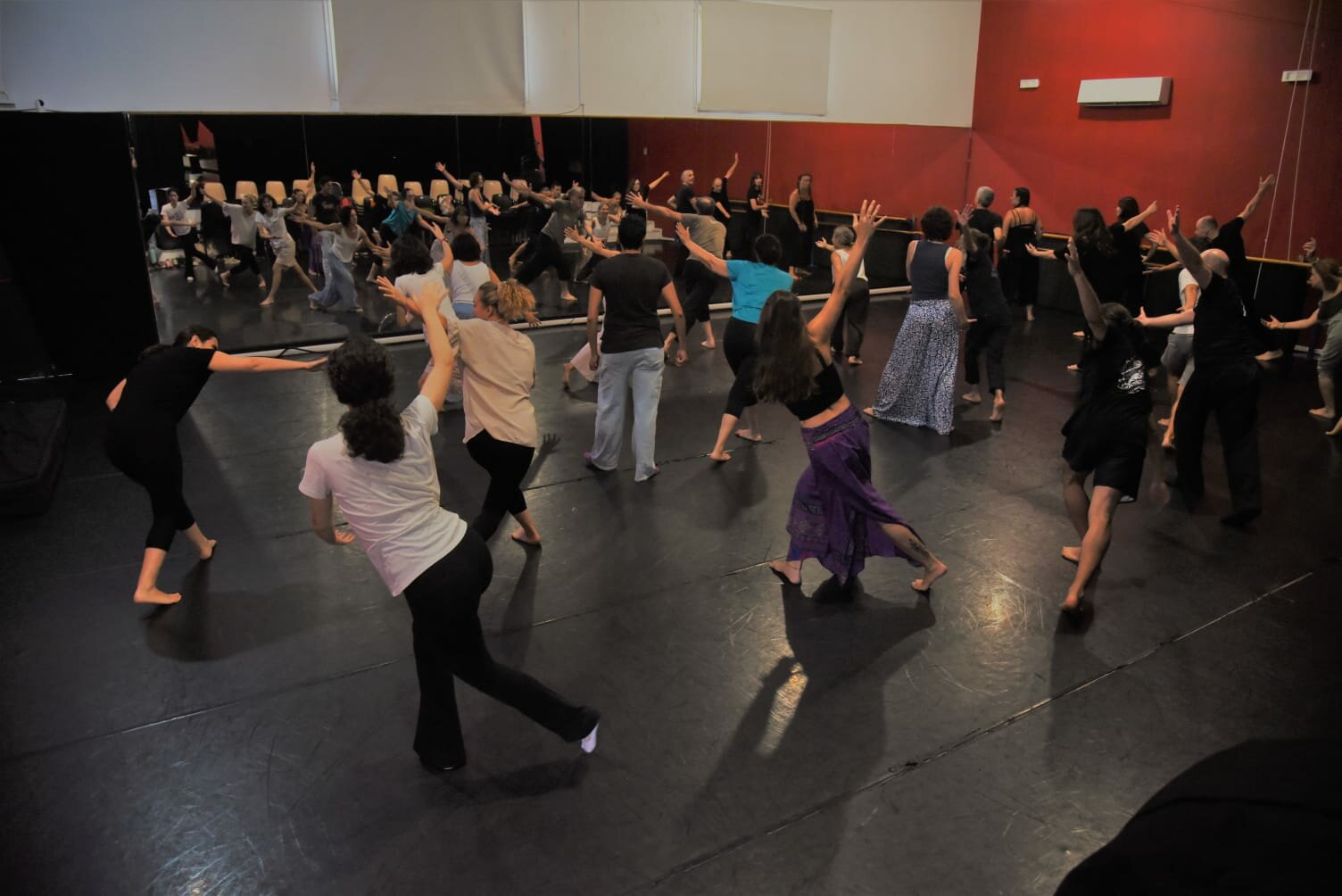
Not just translating, but embodying: Before pronouncing a word, the student is invited to perceive its intention, weight, and movement.
Organic listening: As highlighted in pedagogical research on Costa, listening is not a passive act of the ear, but an act that involves the entire sensorimotor system. Learning the sounds of a new language means allowing those sounds to "resonate" within our bodies.
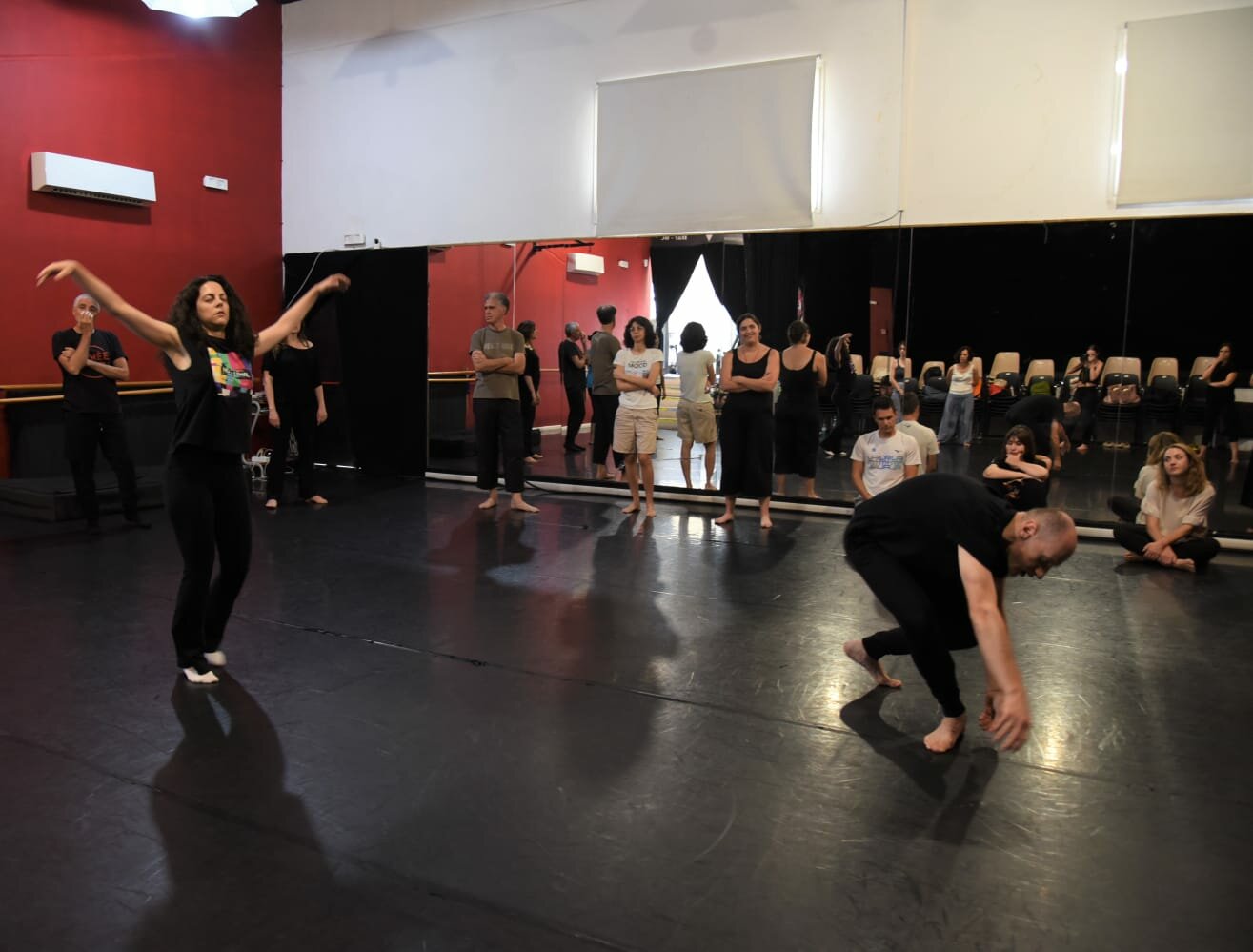
The Costa Method at Ars 2.0: Language, Theatre, and Innovation
At Ars 2.0, we take Costa’s lessons off the stage and into the classroom. Our language courses integrate theatre workshops where gesture supports language. Learning a language through the mimic method does not just mean speaking correctly, but "existing" within the new language. It means rediscovering that "harmonious flow" between what we feel and what we say, transforming every lesson into a profound encounter with the culture and the other.
Do you want to discover how theatre can unblock your language learning?
Come visit us in Rome or participate in our "Language on Stage" (Lingua in Scena) workshops.